Development to Maintenance: See the Comprehensive Range of Landscaping Services We Present
Landscaping services encompass a broad spectrum of solutions, from initial design concepts to continuous upkeep. Each phase is crucial in building and maintaining an outdoor space that matches personal preferences and environmental considerations. By comprehending the procedure and alternatives at hand, homeowners can choose wisely that improve both aesthetics and functionality. What specific elements should one take into account to ensure a successful landscape transformation?
Tips to Articulate Your Landscaping Vision
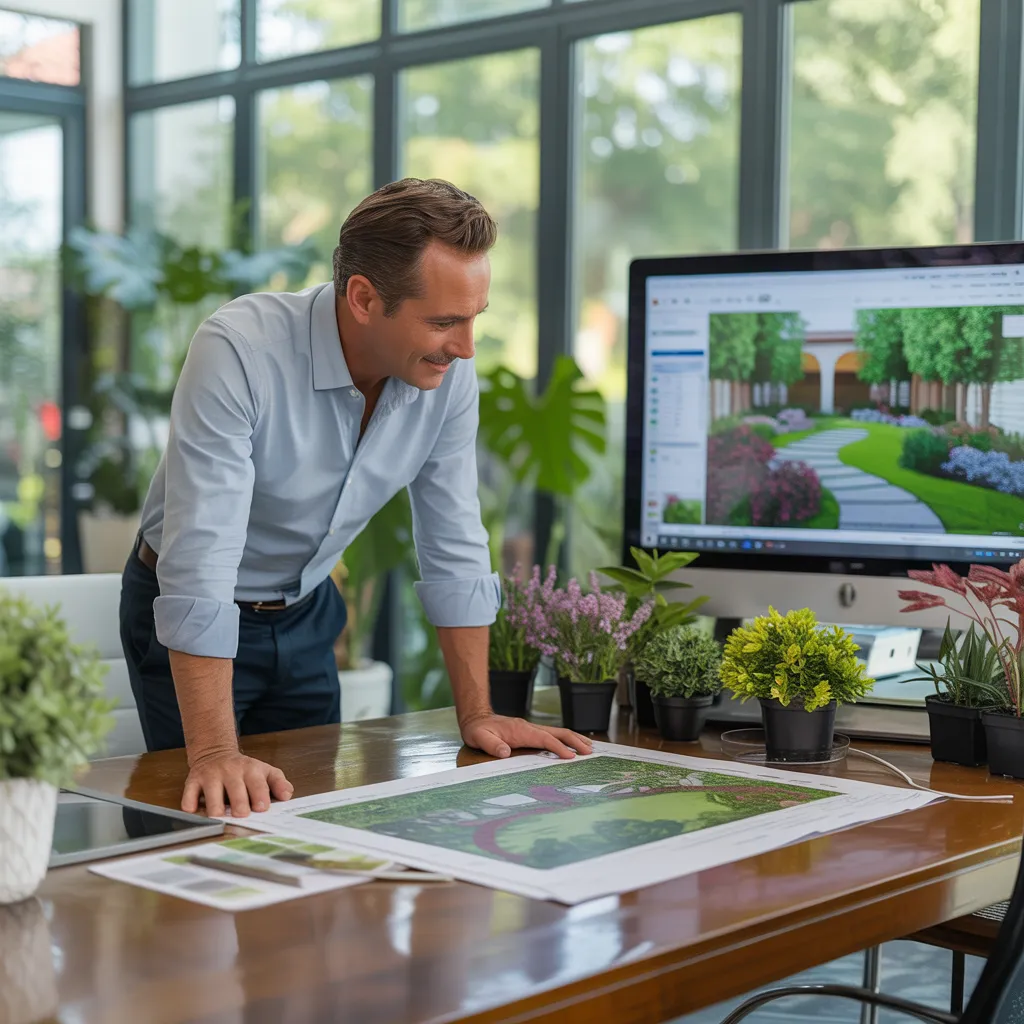
Establishing a landscape design plan is make a move essential for designing an outdoor space that reflects personal style and meets practical needs. This process begins with assessing the current landscape, such as soil quality, sunlight exposure, and climate considerations. Understanding these elements aids in selecting appropriate vegetation and materials.
Next, individuals should consider their way of life and how they plan to occupy the space. Whether for hosting guests, cultivating plants, or unwinding, these activities will dictate design choices.
Visual concepts may be sourced from various channels, like magazines, online platforms, or nature itself. Developing a mood board can help in clarifying your preferences.
At the end, setting a financial framework is essential, as it influences plant variety, hardscaping choices, and overall complexity. Through synthesizing these factors, individuals can establish a clear design vision that reconciles aesthetic qualities with functionality, supporting a accomplished outdoor renovation.
Designing the Exceptional Landscape Style
Once a clear design vision has been established, the following step involves creating the perfect landscape design. This process requires a combination of artistic vision and practical considerations. Successful landscape design starts with assessing the site's particular characteristics, such as topography, soil type, and sunlight exposure. These factors inform the layout, ensuring the design enhances the ecological appeal of the environment.
A effective design combines different elements, including hardscaping features like patios and pathways, alongside softscaping components such as lawns and gardens. Deliberate placement of these components creates a unified flow, leading visitors through the space. Additionally, attention to scale and proportion ensures that each element supports the others, avoiding excess or disharmony.
In the final analysis, the framework should reflect the client's wishes while retaining functionality. By methodically planning every element, a landscape design can transform the outdoor space into a remarkable and welcoming setting, positioned to be appreciated year-round.
Picking Plants That Do Well in Your Regional Climate
Identifying botanical specimens that succeed in a specific climate necessitates a thorough comprehension of temperature zones, which indicate which plant types can endure local weather conditions. Moreover, prioritizing native plants can boost natural equilibrium and resilience in the landscape. Timing considerations considerations also play an vital role in ensuring long-term positive outcomes and wellbeing of the garden.
Learning About Cold Hardiness Areas
Grasping hardiness zones is important for those who garden and landscapers working to nurture plants that will survive in their specific climate zones. These zones, set by the USDA, divide regions according to average minimum winter temperatures. By identifying the hardiness zone of a given location, gardeners can opt for plants that are most likely to survive local environmental conditions. Each zone is marked with a number, with subdivisions indicating small temperature variations. For example, a plant classified in Zone 5 may not do well in Zone 4, where winters are colder. Grasping these zones supports making informed decisions about plant selection, resulting in healthier landscapes and decreasing the chance of plant failure. This understanding ultimately helps build a more long-lasting and healthy garden or landscape.
Native Vegetation Picking
While many gardeners may be tempted to choose foreign species for their landscapes, opting for native species often delivers better results. Local species are adapted to regional conditions and terrain, demanding minimal irrigation and care compared to non-native varieties. They provide essential habitats for local wildlife, promoting environmental diversity and natural equilibrium. Selecting local plants can also minimize pest issues, as these plants are naturally resistant to region-specific illnesses. Additionally, incorporating local species boosts the visual charm of a landscape by reflecting the region's natural beauty. Gardeners are encouraged to explore the specific native plants suitable for their area, ensuring a thriving garden that supports environmental sustainability. In conclusion, native plant selection creates a peaceful and durable landscape.
Important time-based planting considerations for your growing space
In the process of planning a garden, gardeners must take into account the seasonal climate variations that shape plant development and condition. Choosing plants that thrive in particular climate zones assures top growth and endurance. For example, in warmer regions, drought-resistant plants might be selected, while cooler areas favor hardy perennials capable of surviving frost. Knowing local weather patterns, including rainfall and temperature fluctuations, aids in choosing the suitable species. Moreover, seasonal changes dictate planting times; spring suits many annuals, and fall works well for certain perennials. By aligning plant choices with local climate circumstances, gardeners can cultivate colorful, sustainable landscapes that thrive year-round, reducing upkeep and increasing the garden’s aesthetic value.
Create Your Ideal Outdoor Living Space
Designing a perfect outdoor living space demands meticulous planning of bespoke design options that express personal styles. Practical exterior additions, including seating areas and cooking spaces, maximize functionality while complementing the overall aesthetic. As a whole, these elements create a yard into a unique getaway.
Tailored Visual Answers
Custom designing solutions allow homeowners to revamp their outdoor spaces into personalized refuges. By taking into consideration individual preferences, lifestyles, and environmental factors, landscaping professionals craft unique designs that mirror the homeowner's vision. These solutions involve various elements, including plant selection, hardscaping, and layout adjustments, ensuring each outdoor space is both aesthetically pleasing and functional. Collaborating closely with clients, designers integrate specific themes, colors, and materials to enhance the overall appeal. The focus remains on creating symbiotic environments that merge seamlessly with the home while addressing the homeowner's practical needs. Ultimately, custom design solutions not only boost the beauty of outdoor areas but also nurture a sense of connection with nature, enriching everyday experiences.
Effective Outdoor Features
Practical outdoor features serve an important role in boosting the usability and satisfaction of outdoor living spaces. These elements, such as patios, decks, and outdoor kitchens, establish appealing areas for rest and entertaining. Integrating features like fire pits and water elements can deliver both visual appeal and practical advantages, letting homeowners appreciate their yards year-round. Furthermore, thoughtfully positioned seating and dining areas foster gatherings, while pathways and lighting enhance accessibility and protection. Green options, like rain gardens and permeable paving, support environmental wellbeing. In summary, practical outdoor amenities convert a yard into a flexible space that addresses diverse requirements, assisting homeowners to maximize their outdoor experience while establishing a peaceful balance between nature and design.
How to Make Your Landscaping More Eco-Friendly?
What ways can homeowners transform their outdoor spaces into sustainable landscapes? One sound approach is to incorporate native plants, which require less water and maintenance while supporting local wildlife. Using water-efficient species can greatly reduce water consumption, making landscapes more environmentally responsible.
Another method involves establishing rain gardens to handle stormwater runoff effectively, allowing rainwater to absorb into the ground rather than leading to pollution. Homeowners can also opt for eco-friendly fertilizer alternatives and pest control methods to decrease chemical usage, encouraging a healthier ecosystem.
Using porous pavement solutions on pathways and driveways can enhance water infiltration, lessening soil loss and stormwater flow. Additionally, establishing compost bins promotes waste recycling and boosts soil health.
Important Seasonal Landscape Maintenance
What essential tasks guarantee a landscape persists as colorful and healthy throughout the year? Year-round landscape service incorporates a variety of important activities that foster peak growth and charm. Regular trimming confirms that grass remains healthy and at an suitable height, while seasonal fertilization furnishes vital nutrients. Pruning shrubs and trees not only maintains their shape but also spurs sound progression and reduces the risk of disease.
Another necessary activity is weeding, as it halts contest for resources among plants. By mulching, soil moisture is retained and weed growth is suppressed, enhancing the overall appearance of garden beds. Also, seasonal examinations of irrigation systems assure efficient water use, eliminating waste and promoting sustainability.
Redesigning Your Space: Remarkable Before and After
A properly maintained landscape lays the groundwork for dramatic changes that can improve any outdoor setting. Landscaping services focus on revitalizing areas, presenting eye-catching before-and-after makeovers that inspire awe. These projects usually start off with a comprehensive assessment of the existing landscape, highlighting problem areas, such as overgrown plants, aging paths, or lack of proper lights.
Once the plan is completed, experienced experts execute enhancements that may include new plantings, ornamental elements, and practical structures like patios or outdoor kitchens. The outcomes can be impressive: empty yards can transform into lush gardens, while bland pathways can be transformed into welcoming pathways.
Photographs documenting these transformations highlight the effectiveness of expert landscaping. The stark contrast between the starting condition and the finished project stresses not only aesthetic appeal but also the increased value of the property. Ultimately, a beautifully transformed landscape can establish a welcoming atmosphere, enriching the overall experience of outdoor living.

Frequently Posed Questions
What Is the Common Cost for Landscaping Assistance?
regional labor rates and local labor conditions.
How Extended Time Should You Anticipate for a Landscaping Project?
A landscaping project typically takes between one to four weeks, depending on factors such as project size, complexity, weather conditions, and the specific services required. Proper planning can help optimize the timeline efficiently.
Are Seasonal Landscaping Options Offered?
Indeed, seasonal landscape care options are accessible, featuring spring clean-ups, summer maintenance, autumn leaf removal, and winter preparations. These solutions promise landscapes remain healthy and attractive throughout the changing seasons, addressing specific seasonal needs competently.
Should I Maintain My Garden Myself Following Installation?
Yes, caring for a landscape on your own after installation is doable. However, it requires understanding proper techniques, tools, and seasonal care to ensure the landscape remains healthy and visually attractive over time.
Which Equipment Do You Utilize for Outdoor Design Projects?
Landscaping operations typically call for tools such as lawnmowers, trimmers, blowers, shovels, rakes, and various power tools. Larger ventures may also employ excavators and trucks for delivering materials, maximizing efficiency and precision in the work.